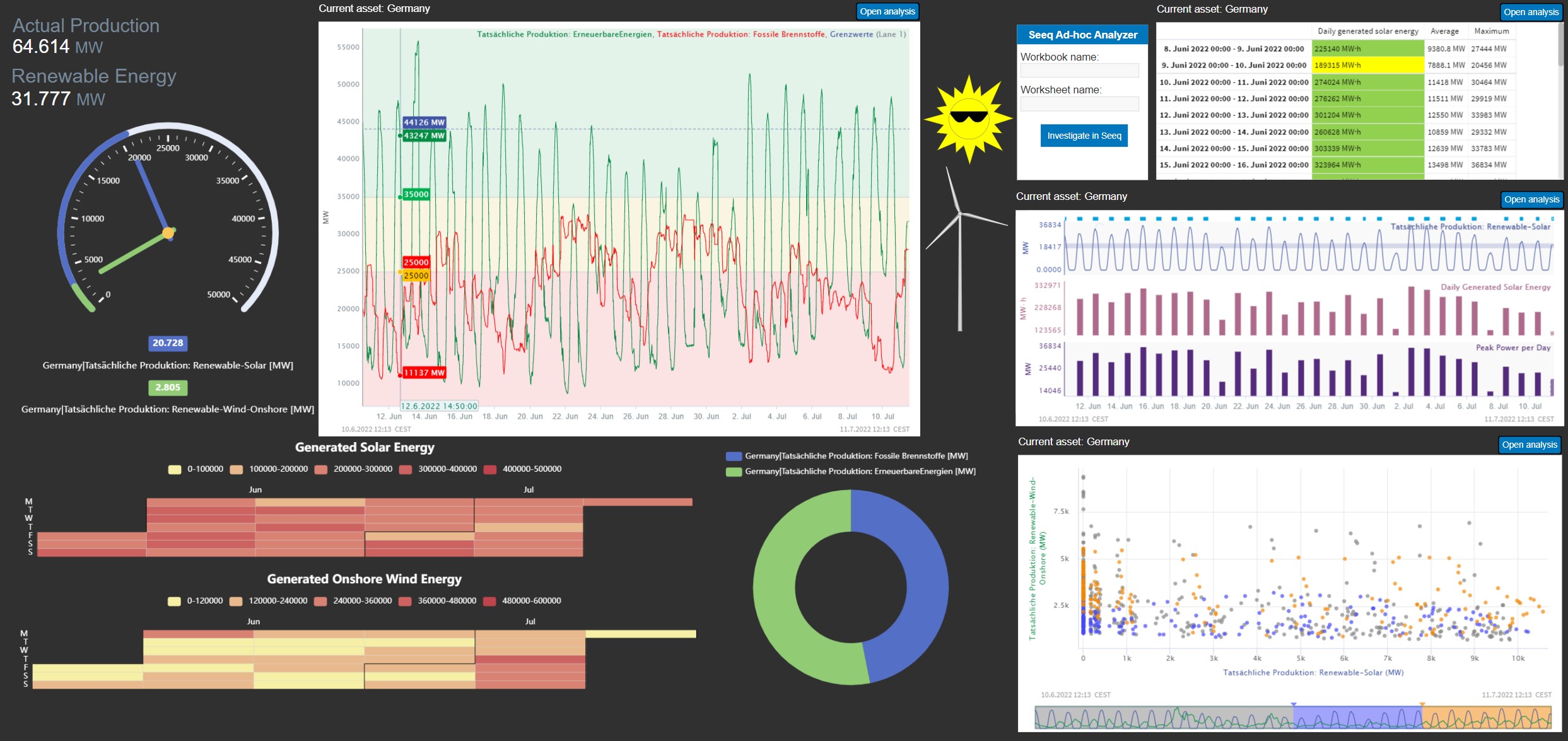


Introduction
The Regulation on Energy Market Integrity and Transparency (REMIT) plays a pivotal role in promoting fair trading practices in the European energy market. Yet, the task of ensuring transparency and detecting market manipulation becomes increasingly complex with the growing volume of data. Enter the AVEVA PI System and Energy Management Systems (EMS), two tech solutions that can transform the way REMIT operates.

The Intersection of REMIT and Technology
Technology and data management have become vital tools in the energy sector. For an organization like REMIT, the need to analyze and visualize vast amounts of data is paramount. This is where the AVEVA PI System and EMS come into play.
Benefits of AVEVA PI System for REMIT
The AVEVA PI System is a trusted platform for managing operational technology (OT) data, supporting real-time decision-making, and revealing deep operational insights. Used by nearly two-thirds of Fortune 500 companies, the PI System's reliability is clear. For REMIT, this means breaking down data silos and providing a comprehensive system of record for operations data. The PI System's rapid integration with analytics tools, enterprise applications, and decision support systems converts operations data into actionable information. It offers easy, self-service access to real-time data, ensures full security across all domains, and provides flexible implementation options, including on-prem, edge, and cloud offerings.
The Role of Energy Management Systems for REMIT
Energy Management Systems (EMS) play a pivotal role in maintaining operational efficiency and sustainability in energy-related organizations. They provide a comprehensive toolset to monitor, control, and optimize the energy consumption of a facility, hence resulting in a significant reduction in operational costs related to heating, cooling, lighting, and water services.
An EMS continuously measures and controls energy consumption, leading to a notable decrease in an organization's carbon footprint. Through the management of aspects like HVAC and lighting, an EMS can help in creating a comfortable working environment. This can lead to enhanced productivity and employee satisfaction, which is a significant benefit in the context of REMIT's operations.
Energy Management Systems also excel in their cost-saving features, including identifying potential energy leaks. They provide a solid return on investment, making them a highly cost-effective solution for managing energy consumption.
Moreover, EMSs can contribute to improving an organization's brand image by highlighting their commitment to environmentally friendly practices. In a world that is increasingly conscious of environmental sustainability, this is a significant advantage.
Perhaps most importantly, in the context of REMIT, EMSs can simplify the process of regulatory compliance by effectively handling the reporting to authorities. This feature can be instrumental in ensuring the transparency and integrity that REMIT seeks to foster in the energy market. In the next section, I will discuss the synergistic benefits when integrating an EMS with the AVEVA PI System.
Synergistic Benefits of AVEVA PI System and Energy Management Systems
Integrating the AVEVA PI System with an EMS can provide synergistic benefits. For instance, energy management software like the energy:center, which is compatible with the AVEVA PI System, allows users to optimize process performance in various industries without the need for data scientists. Moreover, Werusys' energy management system, known as "energy:center", can directly bind to the PI System and import the AF structure. This integration allows for a seamless flow of data and enhanced operability. Additionally, "energy:center" is capable of importing any signals from the Seeq solution, further expanding its compatibility and functionality. Importantly, energy:center is equipped to handle the reporting to authorities, simplifying the process of regulatory compliance.
Implementing such comprehensive solutions in tandem can lead to a synergistic effect, where the benefits of each system are amplified, leading to greater efficiency, reduced costs, and improved compliance with regulatory requirements.
For REMIT, such integration means enhanced capabilities in detecting market manipulation, ensuring energy market transparency, and promoting fair trading practices.
Conclusion
By leveraging the capabilities of the AVEVA PI System and EMS, REMIT can significantly enhance its operations. From breaking down data silos to improving cost-effectiveness and environmental sustainability, these systems offer a transformative approach to energy market regulation. As we look to the future, the continued integration oftechnology will undoubtedly be key to fostering integrity and transparency in the energy sector.
If you want to learn how you can use your PI System for energy management and in the area of REMIT contact me: julian.weber@werusys.de